Why your $650K/month account can't cross into seven figures (it's not the creative)
Stephan Ochse ·
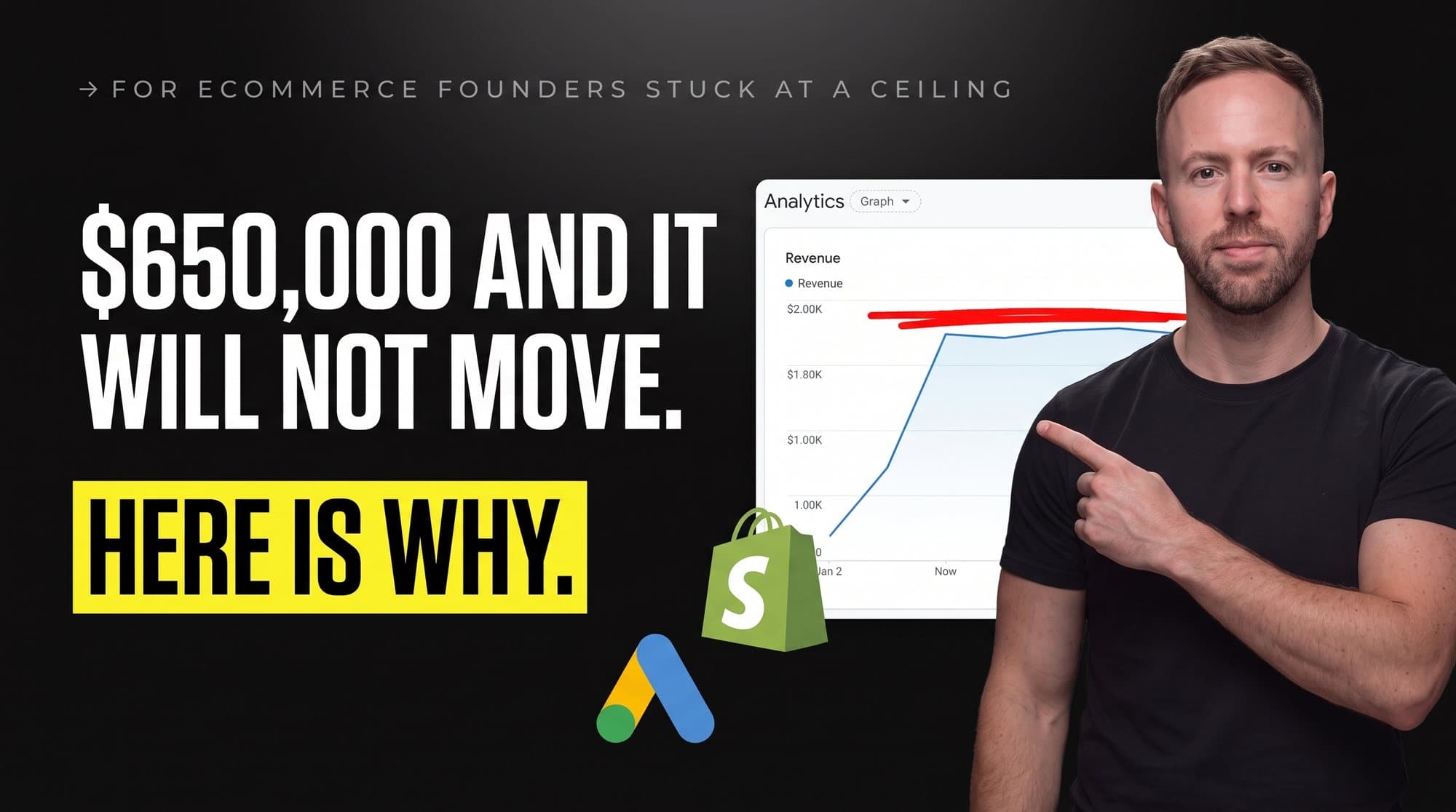
Your account has sat at $650K a month for the better part of a year. You rewrote the ad copy three times. You added five new audiences. Revenue moved maybe 4%, then slid back to where it started. None of that was the problem. The bidding strategy was.
I've watched over 100 accounts hit this exact wall, spend anywhere from $300K to $2.5M a month, and almost every one of them was fighting the same invisible ceiling: a bidding strategy that outran its own data.
## The four levers, and what each one needs to work
[IMAGE-1: Hyper-realistic screenshot of the Google Ads web UI (recognizable red-yellow-green-blue Google Ads logo top left, dark left navigation rail with Campaigns/Ad groups/Insights/Bidding icons), open on the Bidding strategy settings screen for a campaign. A dropdown shows the four strategies stacked: Manual CPC, Maximize Conversions (Target CPA), Target ROAS, Performance Max. Small conversion-volume badge next to each showing rough thresholds. Account name and totals blurred per standard practice.]
Manual CPC. You set the bid, Google respects it, no machine learning involved. Right for a low-volume account, under 15 conversions a month, or a B2B account where a human needs to hold exact ad position on a handful of high-value keywords. Wrong for almost everyone else. You'd be doing by hand what a model with more signal than you'll ever have can do better.
Smart Bidding, meaning Target CPA or Maximize Conversions. The algorithm bids per auction on hundreds of signals you never see: device, time of day, location, even local weather in some verticals. It needs a real conversion history to learn from. Below that threshold, it's guessing, and guessing gets expensive fast.
Target ROAS. Same machine, different math. Instead of chasing a conversion count, it chases a revenue ratio. This is the right lever the moment average order value starts to vary, because a $40 order and a $400 order shouldn't cost you the same to acquire. It needs more data than Target CPA, since it's solving a ratio, not a count.
Performance Max. The broadest lever: Search, Display, YouTube, Discover, Gmail, Maps, one budget, one bid strategy, fully automated placement. It needs the strongest signals of the four: real audience signals paired with a clean, varied product feed, on top of volume already flowing through tROAS or tCPA first. Turning on PMax before the account has clean conversion data is the fastest way to burn a month of spend on a black box with nothing to learn from.
## The 30-conversion rule
[IMAGE-2: Dense, nerdy technical diagram on an off-white background with emerald-green accent lines. A horizontal timeline labeled "Days 1-30" shows a wide, erratic bidding curve during "learning phase" that narrows and stabilizes past a marked threshold line at "30 conversions / trailing 30 days," with a small callout box reading "per campaign, not per account." Axis labels, gridlines, and a legend give it the look of a real analytics whitepaper chart.]
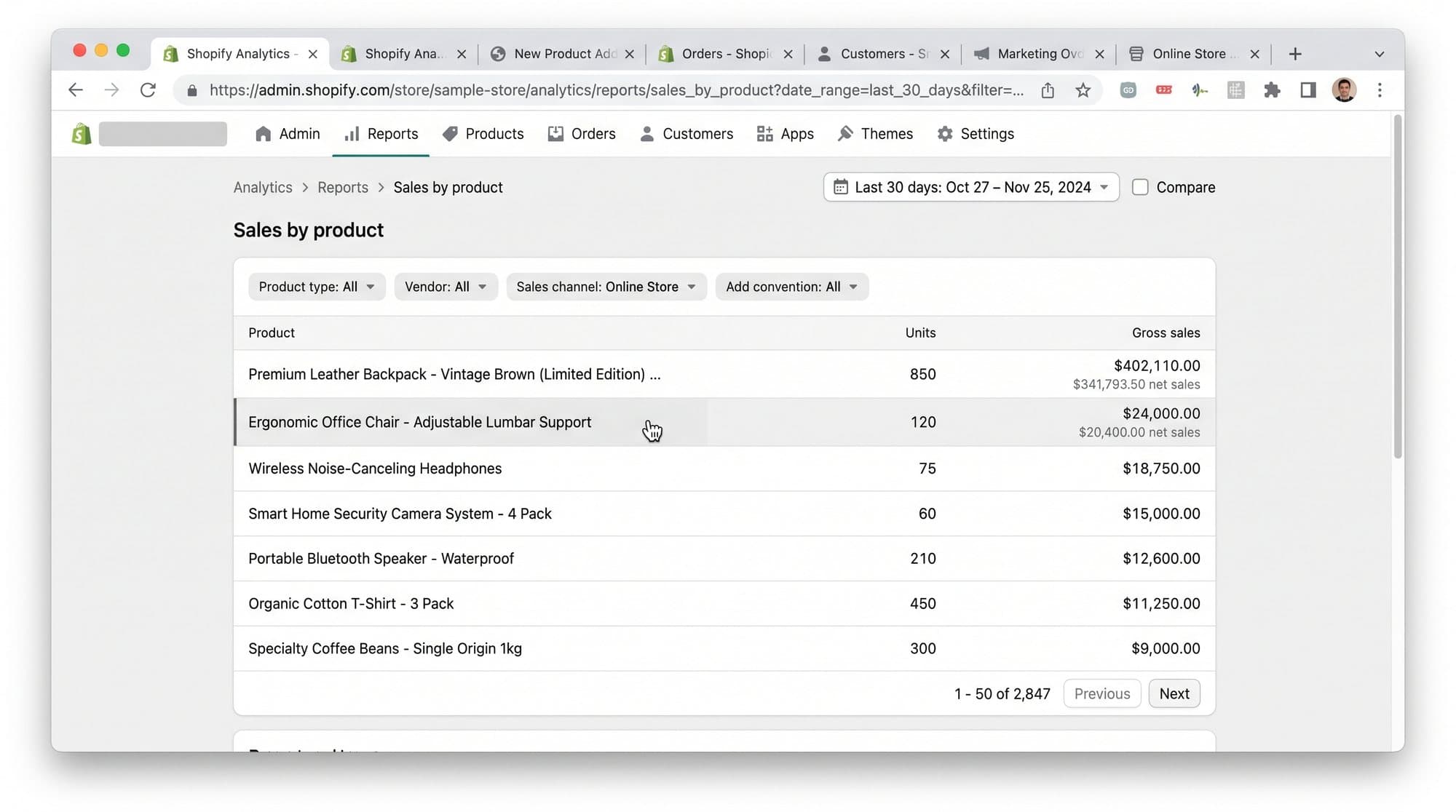
Google's own guidance puts the learning phase at about 30 conversions in the trailing 30 days, per campaign, before Smart Bidding stabilizes. Below that number, the algorithm is still exploring, bidding wide to find signal, and your CPA reflects the chaos.
That "per campaign" detail is what trips up bigger accounts. I've audited $1M+/month accounts split across 25 campaigns where not one single campaign crossed 20 conversions a month. The account looked data-rich on paper. Every individual campaign was starving.
## What happened at one account
An 8-figure DTC supplement brand came to us spending $780K a month, flat for over a year, running 22 campaigns split by product category and geography. Reasonable organizational logic, terrible bidding logic. No single campaign held more than 18 conversions a month, so every one of them lived in permanent learning phase and the algorithm never got to do its job.
We consolidated to 6 campaigns grouped by margin and customer intent instead of product SKU. Within three weeks, four of the six crossed 30 conversions and the bid strategy stabilized. We built a tROAS target off the trailing 30-day average instead of a round number someone picked two years earlier. Forty-five days later: revenue up 31%, ROAS held flat at 3.4x, same monthly spend.
We changed nothing about the ads. We gave the data somewhere to concentrate.
## Three mistakes that keep accounts flat for a year
[IMAGE-3: Dark navy technical diagram, system-flowchart style, three vertical columns each with a red warning icon at the top and a stack of small labeled cards below it: column 1 "Strategy switched every 2 weeks" with a resetting clock icon, column 2 "Target set from memory, not data" with a dartboard missing the center, column 3 "22 campaigns, 18 conversions each" with a splitting/fragmenting arrow icon. Clean sans-serif labels, thin emerald connector lines, looks like a real ops dashboard.]
### Switching strategy every time performance dips Every switch resets the learning clock, 7 to 14 days of instability. Switch every two weeks chasing a bad Tuesday and the account never exits learning phase. It resets on a loop, forever nearly stable and never getting there.
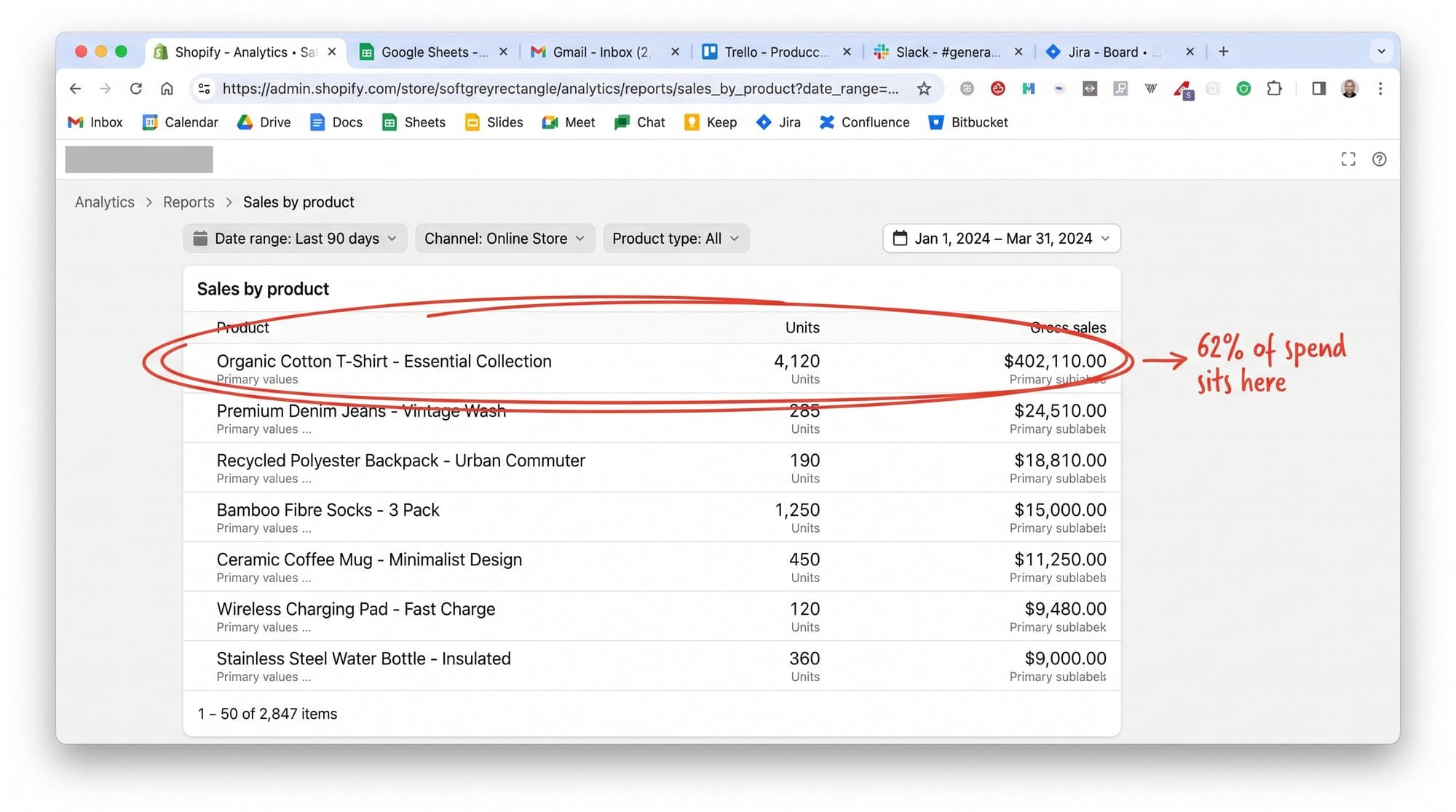
### Setting the target from memory instead of the account A tROAS or tCPA target picked from "what we've always used" instead of the real trailing 30-day number either chokes volume, when the target is too aggressive, or bleeds spend at a ROAS you'd never accept if you looked, when the target is too loose. Pull the real number before you set anything.
### Splitting conversions across too many campaigns Segmentation feels like control. Past a certain point it's data starvation wearing a nicer folder structure. If no campaign crosses 30 conversions, consolidate before you touch the bid strategy, the budget, or the creative.
This week: pull the trailing 30-day conversion count for every campaign in your account, one column, one number each. Anything under 30 is a candidate for consolidation before it's a candidate for a new bid strategy.
None of this needs a bigger budget. It needs the strategy matched to the data volume you have, and the patience to leave it alone once it's right. Next edition, I'm breaking down the feed structure that decides whether PMax finds your best customers or burns budget guessing who they are.
Reply and tell me which of the three mistakes you're running right now. I read every one.
The three ceilings, and how to tell which one you hit
Accounts stop growing for one of three reasons and the fix for each is different, which is why generic advice fails here.
Demand ceiling. You are already reaching almost everyone searching for what you sell. The tell: impression share above 80% on your core terms with rising CPCs and flat volume. More budget buys nothing because there is nothing left to buy. The fix is new demand, which means new products, new geographies or upper funnel, not a higher target.
Economics ceiling. There is demand left but you cannot afford it at your current margin. The tell: volume responds to budget but contribution goes negative past a threshold. The fix is price or landed cost, not bidding.
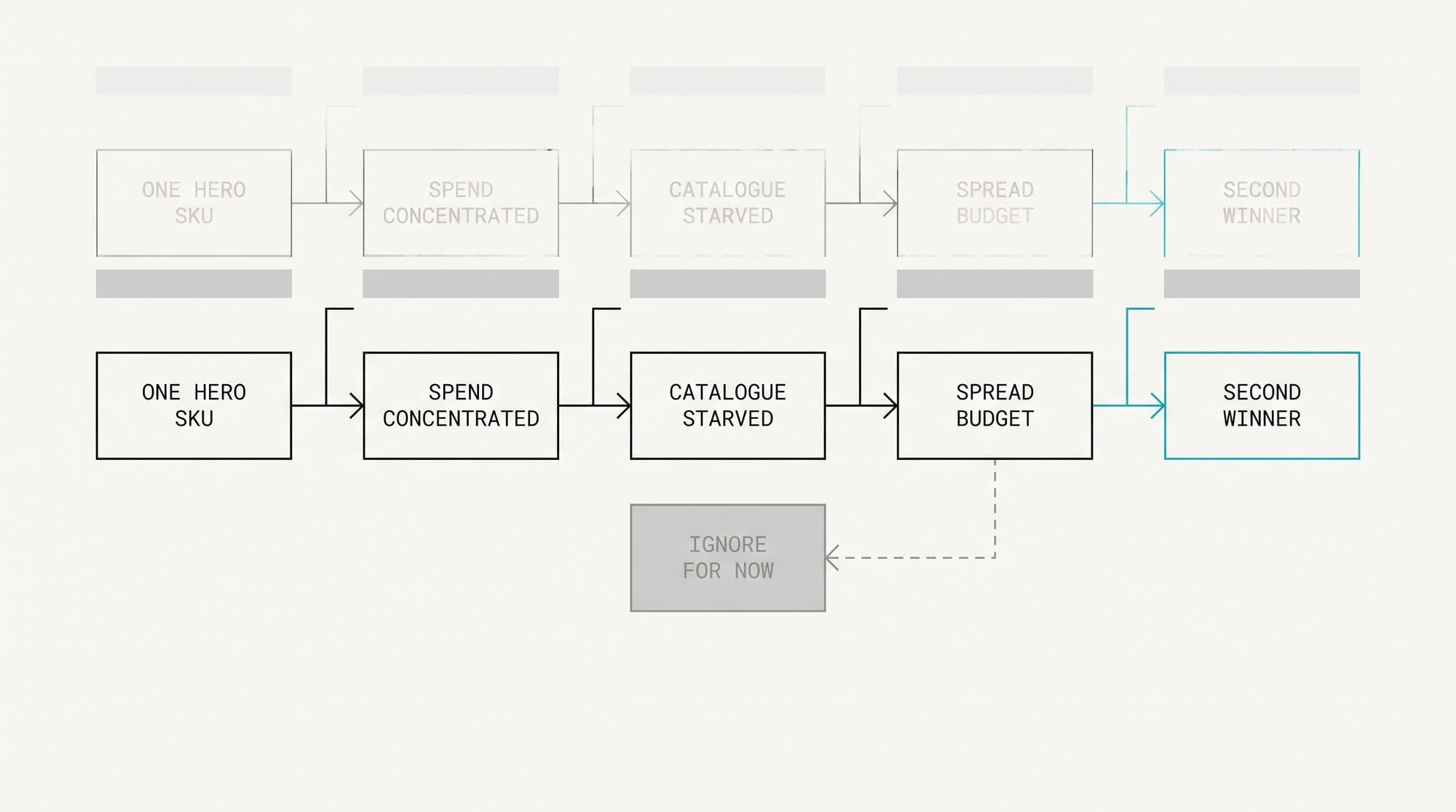
Operational ceiling. You could grow but the account cannot absorb it: the feed is thin, the tracking is partial, the site converts poorly at higher traffic volumes. The tell: performance degrades as spend rises, faster than auction dynamics explain. The fix is unglamorous and internal.
How to diagnose in an afternoon
Pull impression share on your top twenty terms. Above 80% and you are near the demand ceiling on those terms specifically.
Model contribution at 1.5x current spend using your real landed cost, not revenue. If it goes negative, that is your ceiling and no amount of optimisation moves it.
Compare conversion rate at your best week's traffic against your average week. If it falls materially as traffic rises, the constraint is on your site, not in the account.
The uncomfortable one
Most accounts stuck below seven figures are at the economics ceiling and treating it as a demand problem. They keep buying traffic tools and testing creative when the actual constraint is that they are selling a $102 product with a $176 landed cost, or paying 40% of contribution to acquire someone who never comes back.
You cannot bid your way out of unit economics. Nobody wants that to be the answer, which is why it stays the answer for so long.