I haven't opened a CV in 3 years. Show me the work.
Stephan Ochse ·
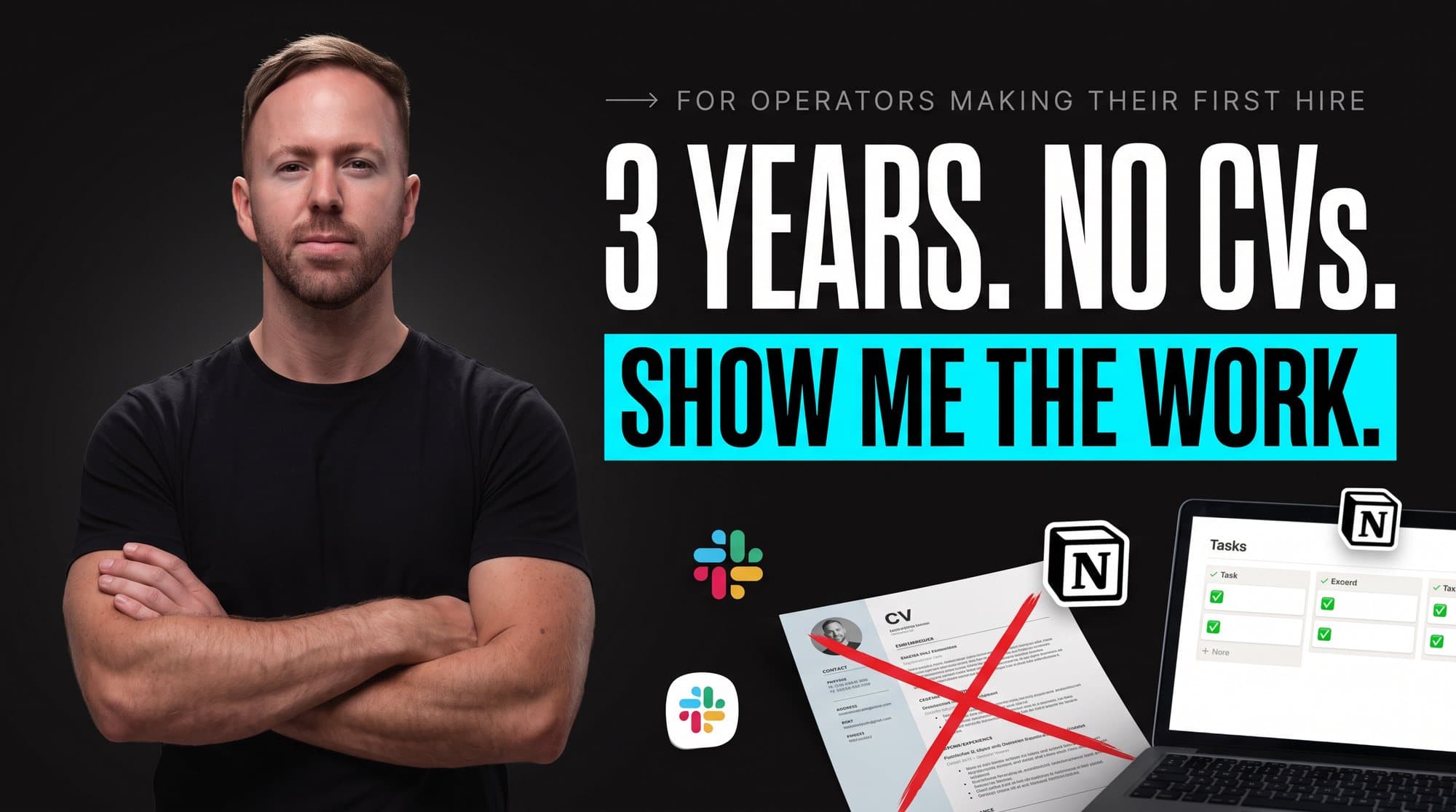
At 9:14 on a Tuesday a CV landed in my inbox. Two pages, four certifications, a university I recognized. I read one line of it. His name. Then I closed it and asked him to show me one thing he'd built with his own hands.
He sent a Google Ads account three hours later. Client name blurred, real numbers, a build I could read in ten seconds. He got the job. The two pages had nothing to do with it.
That's the whole method. I haven't opened a CV in three years. Not for media buyers, not for developers, not for the person who runs my inbox. Someone asked me last week how I screen people and looked thrown when I told them the paper never gets read.
So here's the doctrine, front to back. The stages, the tests, the exact things I watch for, and the one filter that decides all of it. Steal it whether you're hiring this month or sitting on the other side of the table hoping someone opens your CV. They shouldn't.
Start with what I throw in the bin.
Degrees. Which university. Years of experience printed as a number, as if month thirty-seven made you sharper than month thirty-six. None of it survives contact with real work. You know someone with every credential on earth who freezes the second the plan breaks. And you know a self-taught kid who runs circles around the whole room. The paper filter finds one thing well: people who are good at collecting paper. That's the single skill it tests for.
The best hire I ever made didn't finish university. The worst had a stack of certificates I could've wallpapered a room with. After that one I stopped pretending the stack meant anything.
[IMAGE-1: LinkedIn Senior Paid Media Manager post with repeatable execution lines marked for agents and strategy and testing ownership boxed as the human job]
Here's what I read instead. Proof of work, first and every time. Not a sentence describing the work. The work.
What that means depends on the seat.
For a media buyer: show me an account you grew. The before, the after, what you changed and why. Blur the client, hide the account ID, black out whatever you signed over. I want to see a real Google Ads build, a real Merchant Center clean-up, a real number that moved because you moved it.
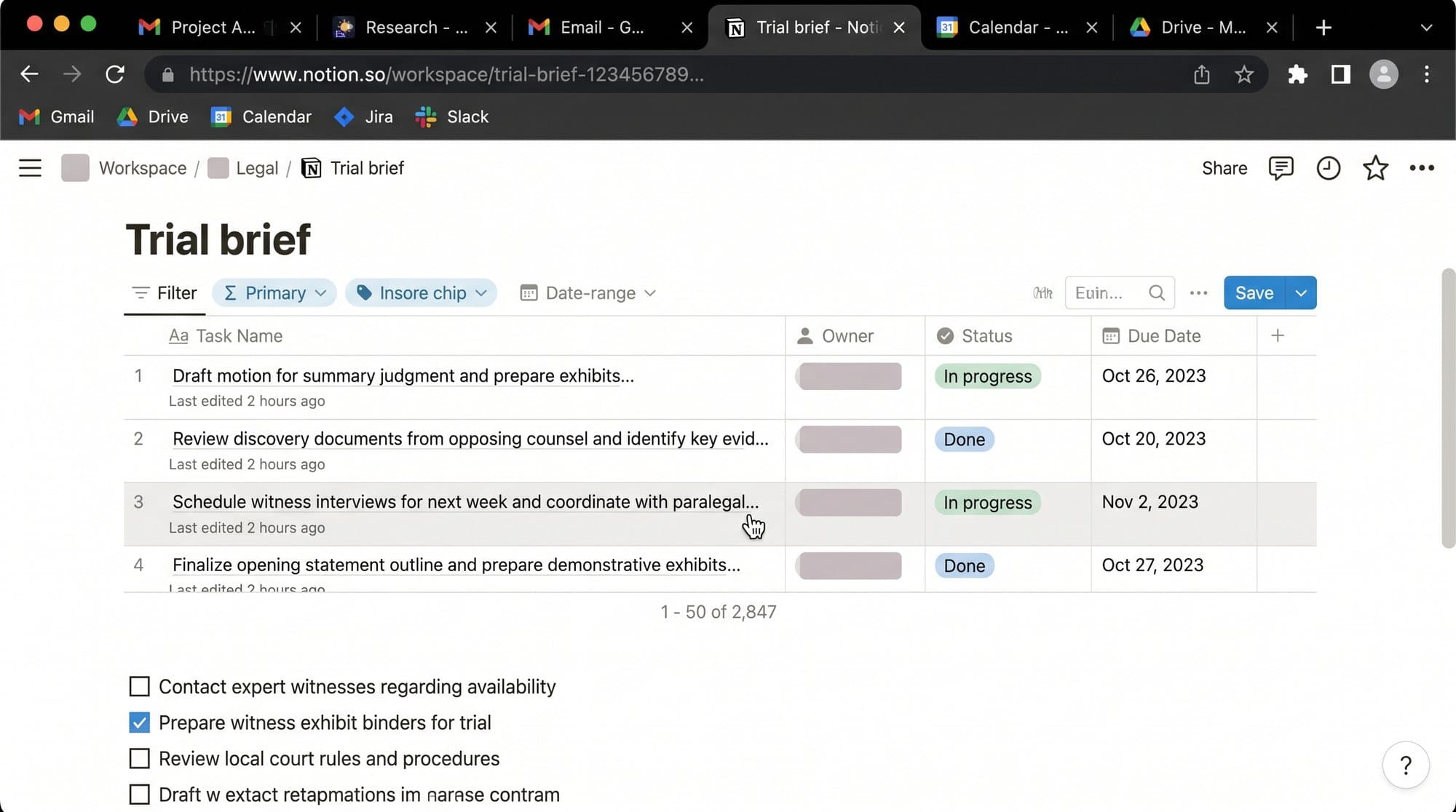
For a developer: show me something running. A live URL, a repo, a tool you shipped that someone other than you has used. Not a tutorial you followed to the last semicolon. Anyone can follow a tutorial. I want the thing you made when nobody handed you the steps.
For the person running ops or my inbox: show me a system. An SOP you wrote, a mess you walked into and organized, a workflow that used to eat four hours and now takes forty minutes because of something you set up.
And if you're worried you can't show any of it because it's all under NDA, good. That's the next thing we need to talk about.
Because here's the excuse that ends interviews in my world before the coffee's even cold. If everything you touched in three years is "confidential" and you cannot put one artifact in front of me, even one that's half blacked out, we're done. However good the chat was. Anyone can talk. Talk is the cheapest thing in the building.
A real operator always finds a way to show the work without burning a client. You blur the logo. You swap the real revenue for an index where 100 is the starting point and the shape stays honest. You record a Loom with the account name cropped out of frame. You rebuild a sanitized version in a fresh Google Sheet. I've watched people do all of these in a single afternoon. The confidentiality wall is where people with nothing to show go to hide, and it has a very particular sound.
Clear that bar and there's a test. Always. A real scenario pulled straight out of the work we do, run live on a call or sent over to chew on for a day.
A Google Ads account that's bleeding, read-only, with the client details stripped. A product page that converts at 1% and won't budge. A dataset with something wrong buried in it. No brain teasers. No riddle with a tidy answer key.
I'm not grading the answer. I'll say that again, because it's the part people miss: I do not care about the answer. I'm watching how you move when there isn't one sitting in front of you.
What do you open first? Do you look at the account before you have an opinion, or do you arrive with a template and try to staple it over a problem you haven't read yet? Do you ask what the target is before you start changing bids? Do you form a hypothesis, check it, and drop it when the data says no, or do you fall in love with your first guess and defend it to the last?
And the sentence I'm listening for the whole time: "I don't know, but here's how I'd find out." That one line has hired more people for me than any skill on any CV. It's the sound of someone who's sat in the seat, because the seat is mostly not-knowing, followed by knowing how to find out.
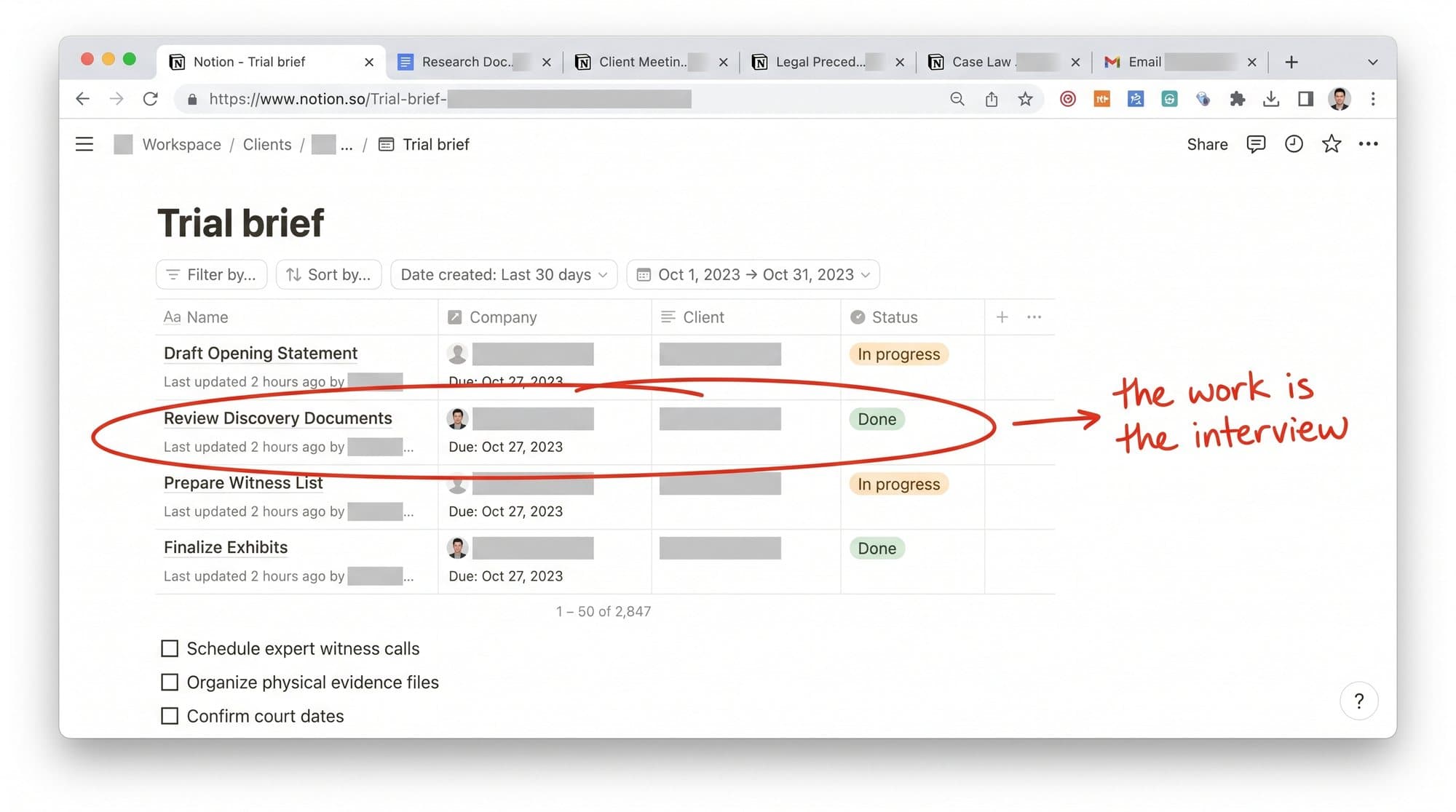
The fakers show up here too, right on cue. They talk a huge game and then freeze the moment you hand them a live account with no template to hide behind. The test just removes the place they were hiding.
[IMAGE-2: Candidate board showing applicants moving through a feed-audit proof-of-work task to the one person who returned strong work]
Then one question that sorts harder than everything else put together. Walk me through a decision you reversed. A real one. Something you were sure about, shipped with your name on it, watched fail in the open, and undid yourself.
People who've never owned a real outcome have nothing here. They go quiet. They start describing a decision someone above them made. They've never been wrong in a way that cost them money or face, because they've never had the wheel. Operators light up at this question. They've got the scar, they'll tell you the date, and they're a little proud of it, because that reversal is the most expensive lesson they own and they know it.
Push once more while you're there: what would you do differently now? Listen for whether the sentence starts with "I" or with "the tool" or "the team." Where a person puts the blame in a story about their own mistake tells you everything about who owns outcomes and who rents them.
Now the step almost everyone skips, and it happens before a single candidate exists.
[IMAGE-3: Fiverr results for bounded Google Ads tasks, used to show the difference between a clear deliverable and a vague job title]
Before you post the role, before you talk to one person, write the job as a checklist. Every task. Every trigger. Every output. Three columns if it helps: what sets the task off, what gets done, what comes out the other end.
Then look at it straight, and one of two things is true.
Either the checklist is complete top to bottom, every row a clear trigger and a clear output, and you've proven you don't need a person. You need that list running on a schedule. That's the discovery that turned a $65k-a-year reporting hire at our shop into a folder and a schedule.
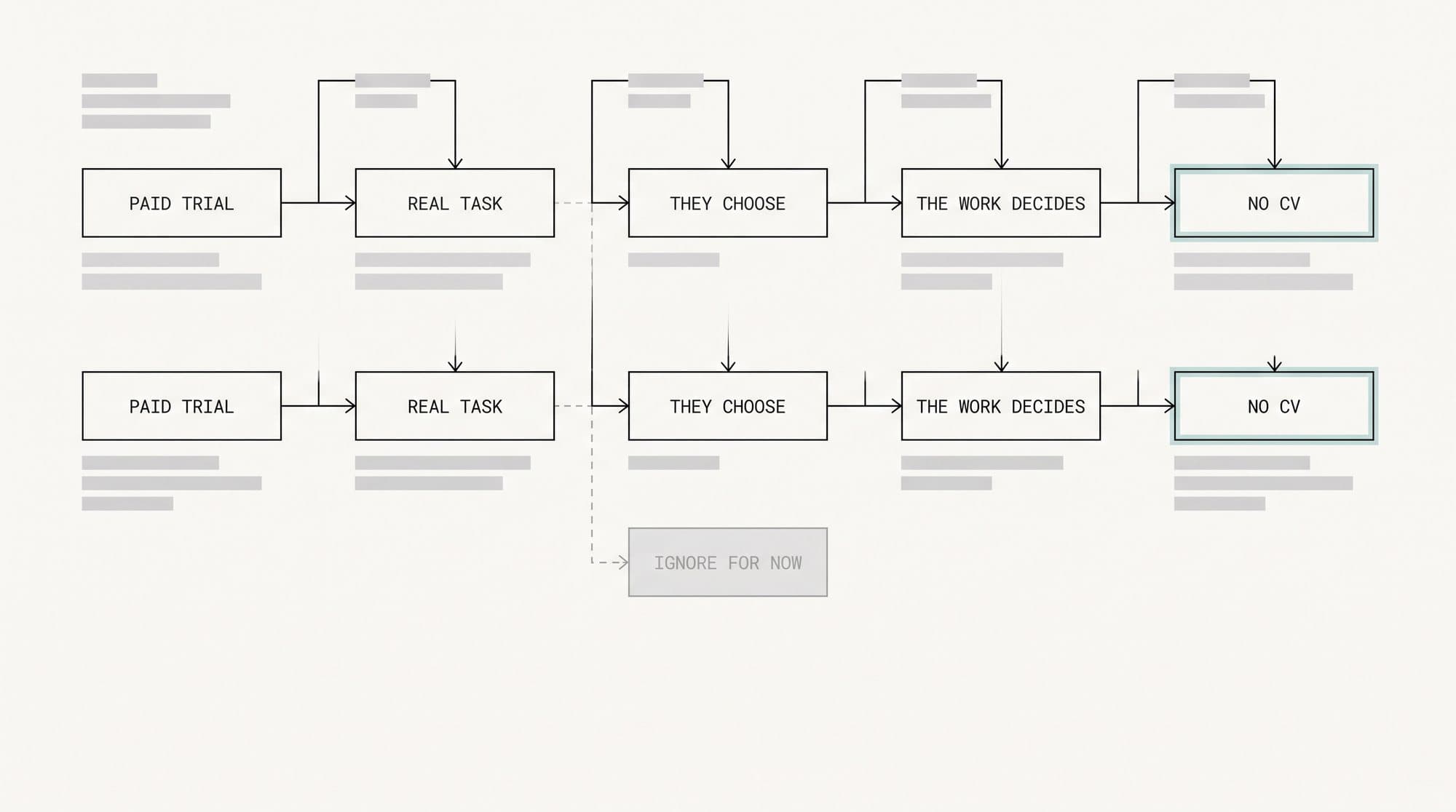
Let me show you that one, because it's the clearest example I have. The role was: every Monday, pull last week's numbers from Google Ads, GA4 and Shopify. Drop them into the template. Flag anything that moved more than it should. Write the two-line summary. Send. That was the whole job, forty hours a month of it. And not one step in it was a judgment call. Pull, format, flag, summarize, send. Every row had a trigger and an output and zero taste. So now Claude Code runs it against a Google Sheets template on a Sunday-night schedule, the drafts sit in a folder by 6am Monday, and a human spends four minutes reading them before they go out. The $65k didn't get cheaper. It stopped being a salary.
Or, second option, the checklist has holes. Rows where the next move depends on something you can't write down. A judgment call made under pressure with real money on the line. Good. Now you know what you're hiring for, and it isn't the tasks. It's the holes. You hire the judgment and let the schedule eat the rest.
[IMAGE-4: Apple Notes page titled “The only 5 questions,” showing a written decision standard with evidence checks and boundaries]
Which brings me to the mistake I watch owners make on repeat. They hire for tasks. They feel behind, and the reflex is another body in another seat. Six months later they've got five people running checklists and a payroll that eats the margin they built the company for. Tasks automate. Judgment doesn't. Get that backwards and you're paying $65k a year for something a schedule does before breakfast and never calls in sick.
One more thing I do that most skip: the first week is the real interview. I don't call references. A reference is a friend of theirs reading a script. I hand a new person a small piece of live work, something real but low-stakes, and I watch. How they ask. How they flag a thing they're unsure about instead of guessing and hoping nobody checks. Whether the SOP I gave them comes back improved. One week of real work tells me more than three interview rounds ever could.
Now flip the whole thing, because half of you reading this are on the other side of the desk.
If you're the one applying, every word above is your instruction manual. Show up with receipts. Three screenshots of work you shipped beat two clean pages of adjectives, every time. No clients yet? Build the proof anyway. Tear down a public store's funnel and write what you'd fix. Ship a small tool you needed and put it live where I can click it. Do the work on spec, redact nothing you own, blur what you don't, and walk me through it on a two-minute Loom.
And bring the reversed-decision story before I ask. The mistake you owned and undid is not the weak part of your case. It's the strongest proof you've ever held the wheel.
So here's the real question, and it's the same one I'd ask across the table.
Strip your entire case down to three screenshots and one honest story. That's it. That's all you get to hand me.
Would you still get hired?
If the answer is no, you found this week's work. Hit reply and tell me the three you'd put in front of me. I read every one.